


At Mitzi, we believe in the power of good lighting. As a third-generation lighting family, our passion illuminates everything we do. Lighting is so much more than an afterthought and should be a key consideration in your design process. Whether you’re looking for a statement chandelier, opens in a new tab or a classic wall sconce, opens in a new tab, Mitzi can guide you every step of the way.
1. Choose a Design Theme or Look
Before choosing light fixtures, define your desired aesthetic. Does your style lean more classic than contemporary? Are you a boho queen? Does mid-century speak to your soul? We know that finding your signature style can seem overwhelming. First, take stock of the pieces you already love and go from there. Next, pull inspiration from your favorite influencers and magazines. Our Mitzi IRL, opens in a new tab mood board is a great place to start, curating the best in design, right at your fingertips. Once you start pulling everything together, you will see recurring themes. Gaga for gold? A brass fixture may be in your future. Drawn to simple, clean lines? A sleek candelabra might excite you. You get the point!

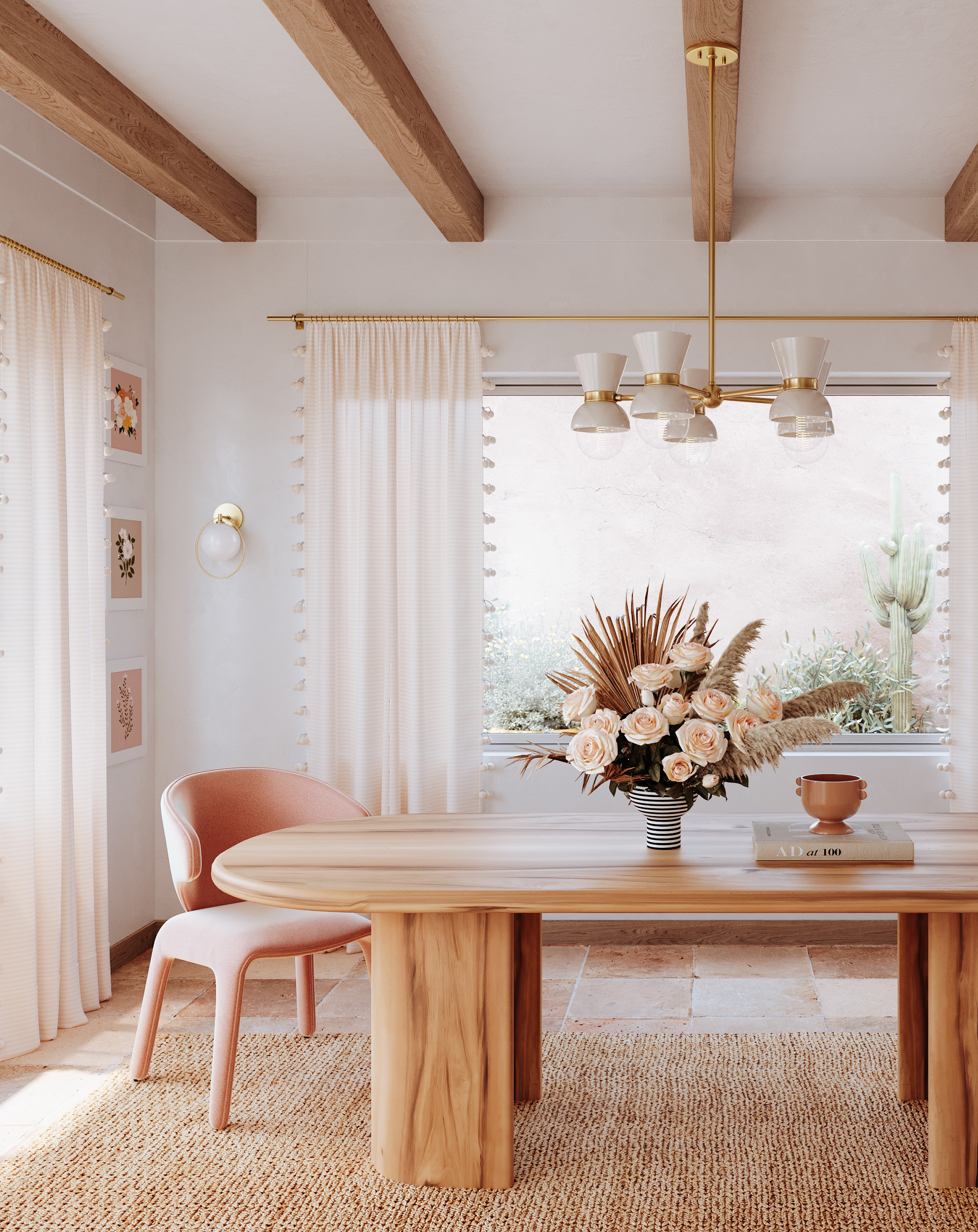
Gillian Chandelier, opens in a new tab, Babette Wall Sconce, opens in a new tab. Image Production: Douglas Fenton, Major Visual.
2. Embrace the Three Layers of Light
Consider the three layers of light, opens in a new tab when designing your lighting plan. Ambient, task, and accent lighting work together to set the mood, creating a sense of warmth in your home. Ambient lighting refers to ceiling fixtures like pendants, opens in a new tab, chandeliers, opens in a new tab, and flush mounts, opens in a new tab. Task lighting like table lamps, opens in a new tab or swing-arm sconces provide a clear function while accent lighting is more decorative. Start with ambient lighting since this will likely be your focal point. From there, layer in task lighting and accent lighting to complete your space. In a living room, you would start with a chandelier and add in a floor or table lamp followed by picture lights or sconces as needed.
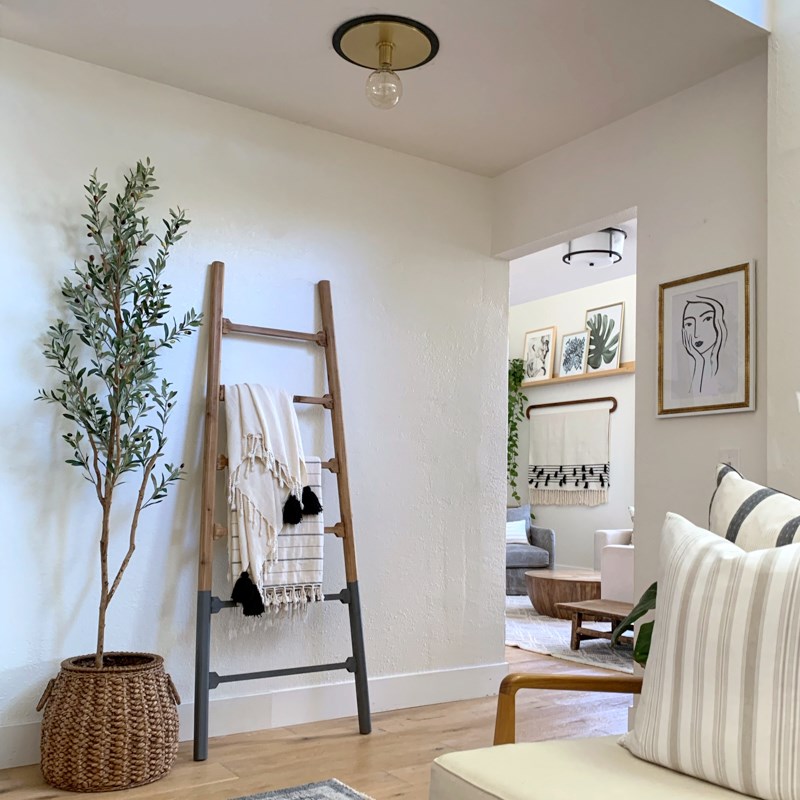
Ambient lighting like this Chic Flush Mount, opens in a new tab draws the eye up. Design: Erin Conway of Kismet House.
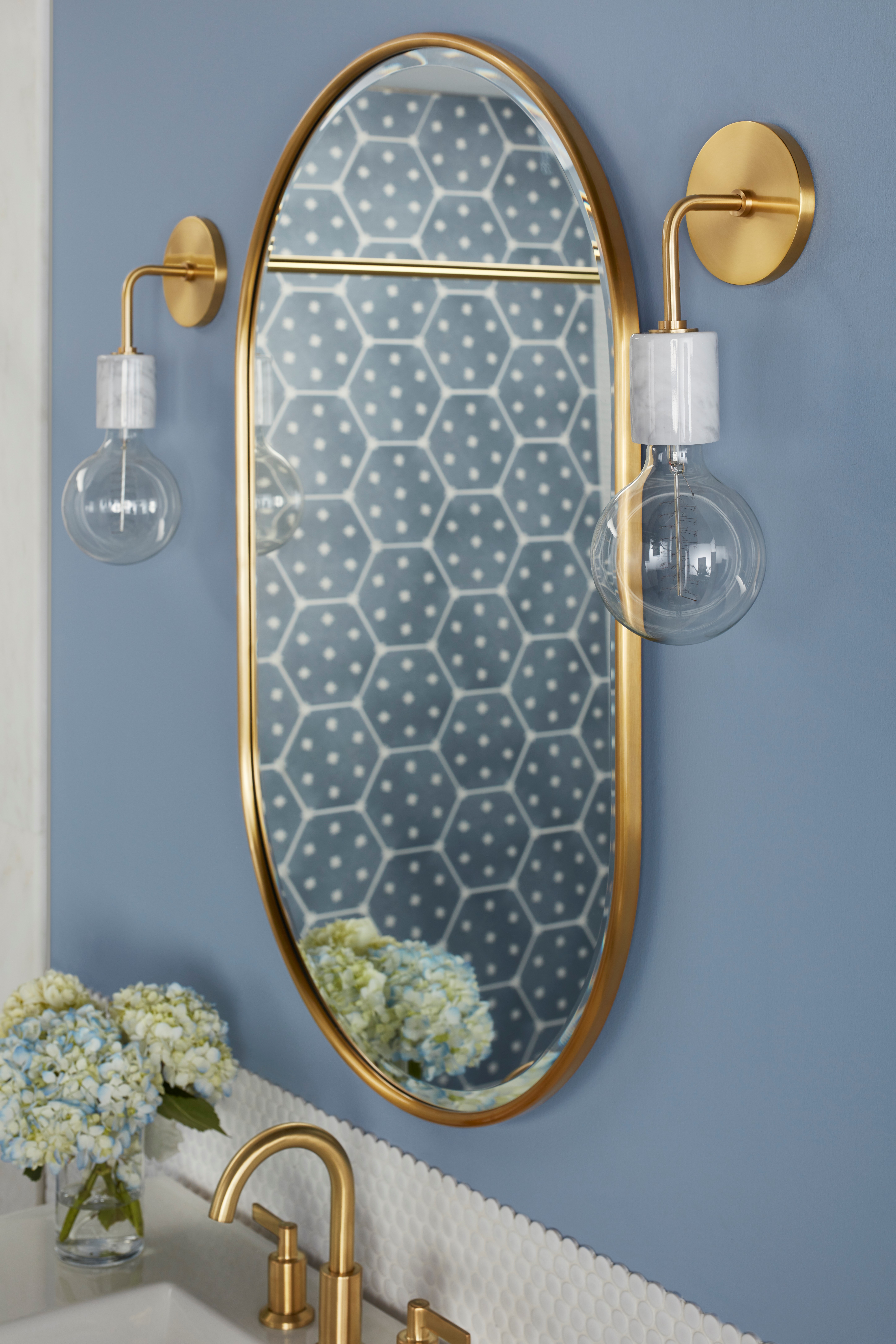
Asime Wall Sconces, opens in a new tab. Vanity lighting in the bathroom is considered task lighting.
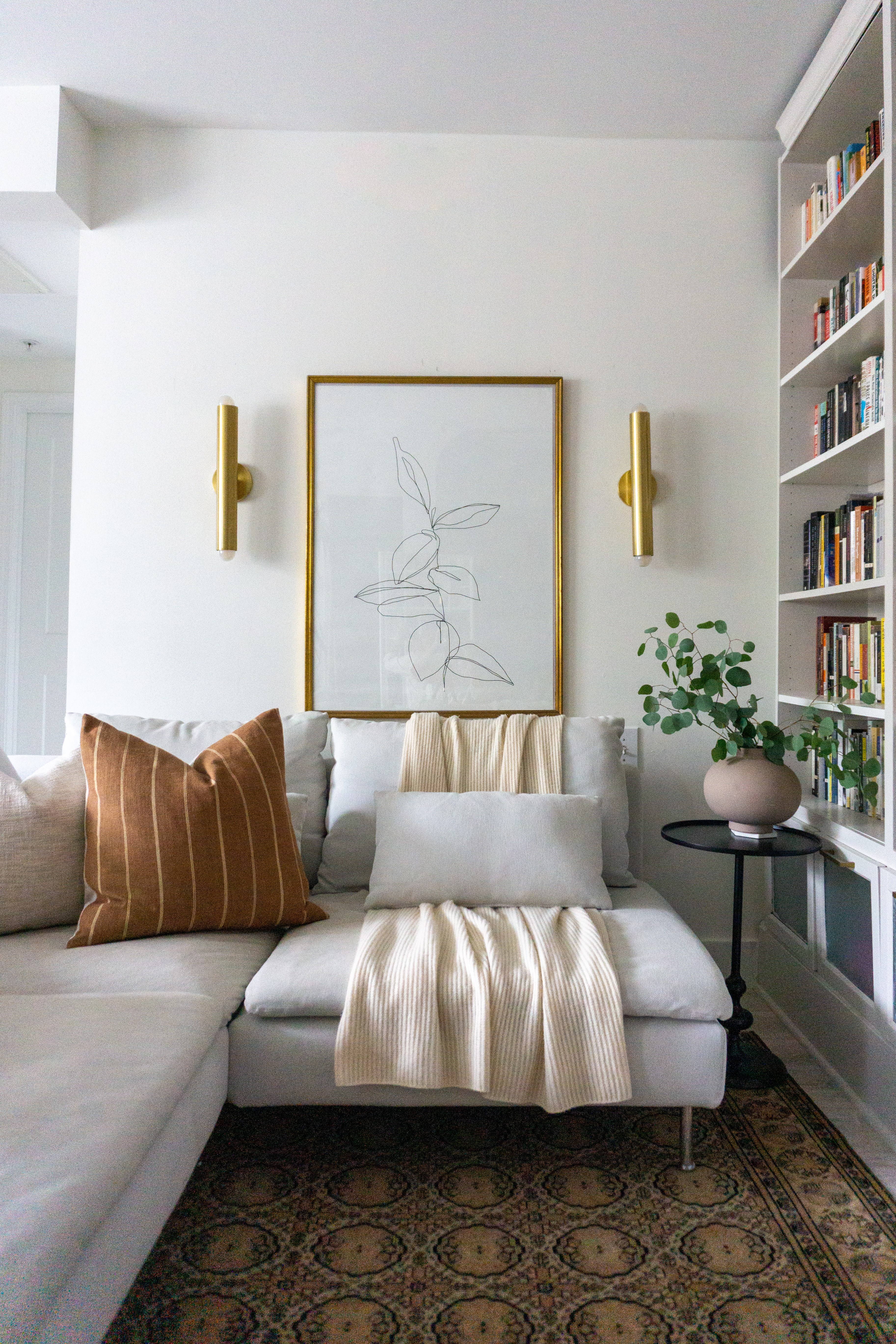
Accent Lighting lighting like this modern pair of wall sconces highlight pieces in the room. Design: Dominique Gebru.
3. Get Creative!
Design is meant to be fun! Think outside the box and integrate light fixtures in unexpected places for an added layer of style. Secondary spaces deserve love too–mudrooms, laundry rooms, and playrooms are the perfect spots for designer lighting.
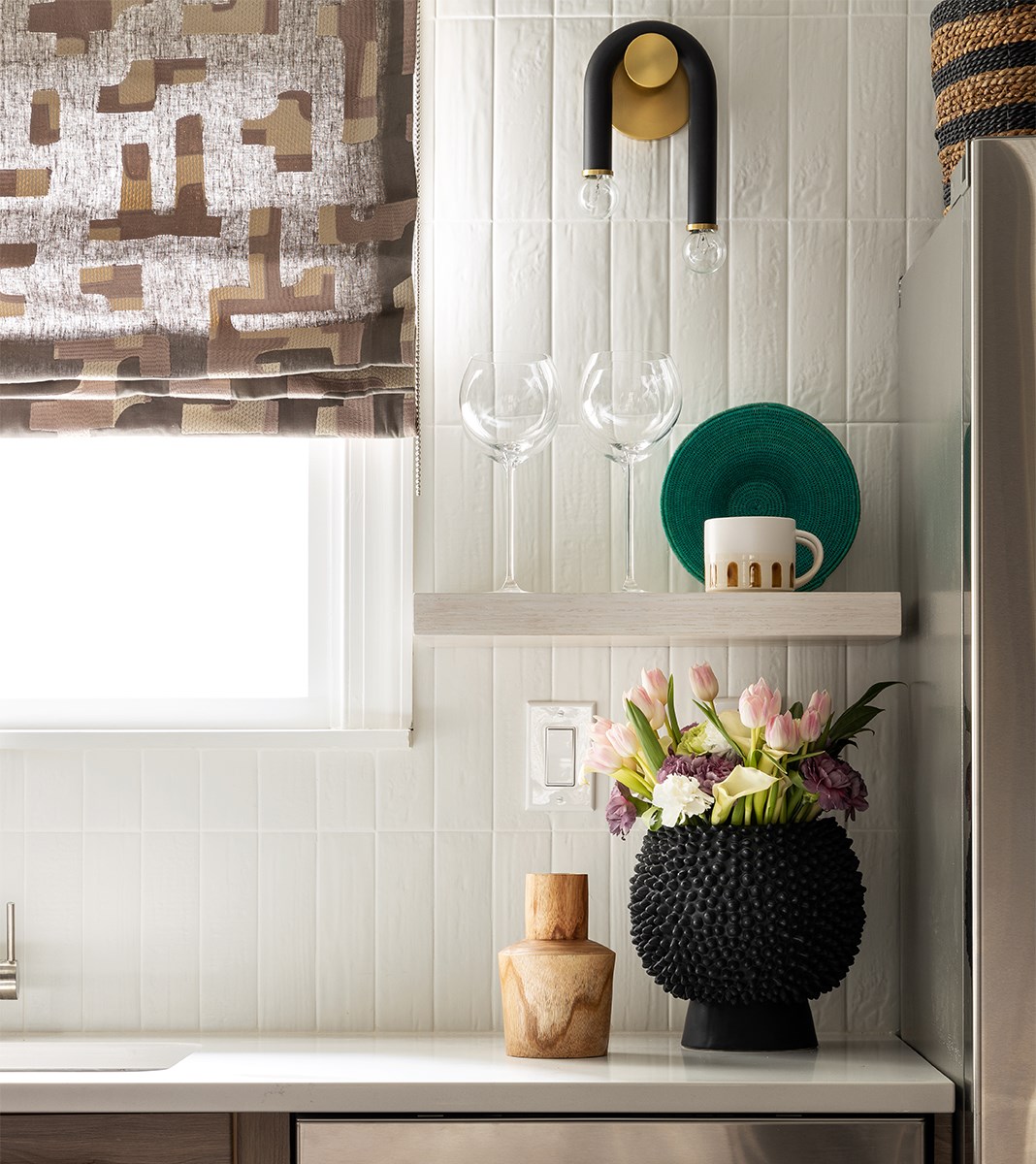
Whit Wall Sconce, opens in a new tab. Design: Beth Diana Smith. Photography: Mike Van Tassell.
4. Learn How to Hang
Installing your new light fixtures at the right height and distance from one another is easier than ever with our How to Hang, opens in a new tab Guide. From installing pendants over a kitchen island to sconces in a bathroom, we crunched the numbers so you don’t have to.
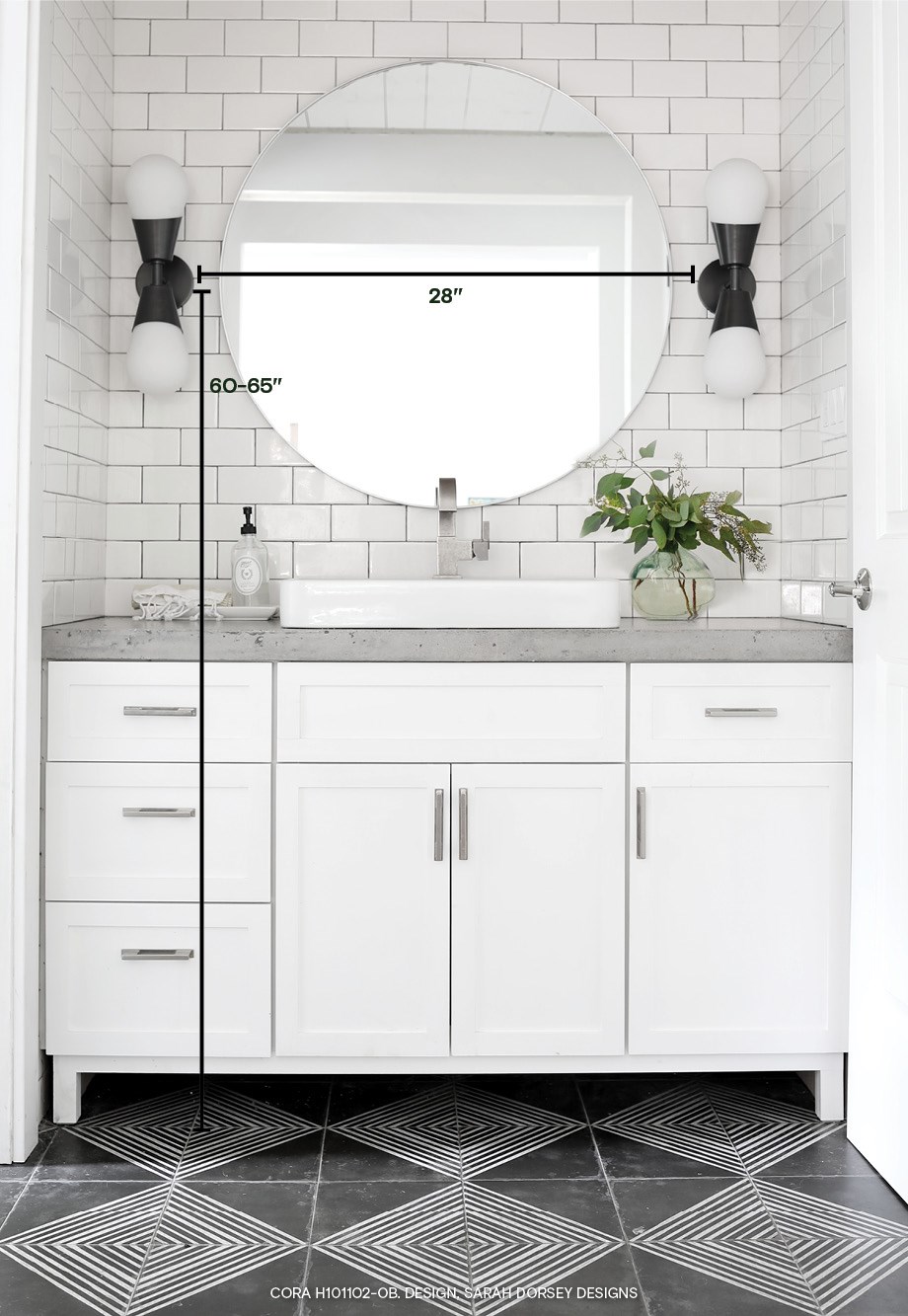
Cora Wall Sconces, opens in a new tab. Design, Sarah Dorsey Designs
5. Add Upgrades
Designers have a few tricks up their sleeves when it comes to creating a next-level lighting plan. Adding dimmers allows you to control the amount of light in a room, making it easier to cultivate the vibe you want. Dimmer switches are great additions to living areas and bedrooms that could use a little mood lighting. For kitchen cabinets or built-ins, consider adding LED lights for a custom look. With so many cost effective options to choose from, you can easily upgrade your cabinets. If you’re doing a full rehaul, layer in recessed lighting for brighter areas like the kitchen or laundry room.
Looking for more inspo? Follow @mymitzi, opens in a new tab for the latest trends.